
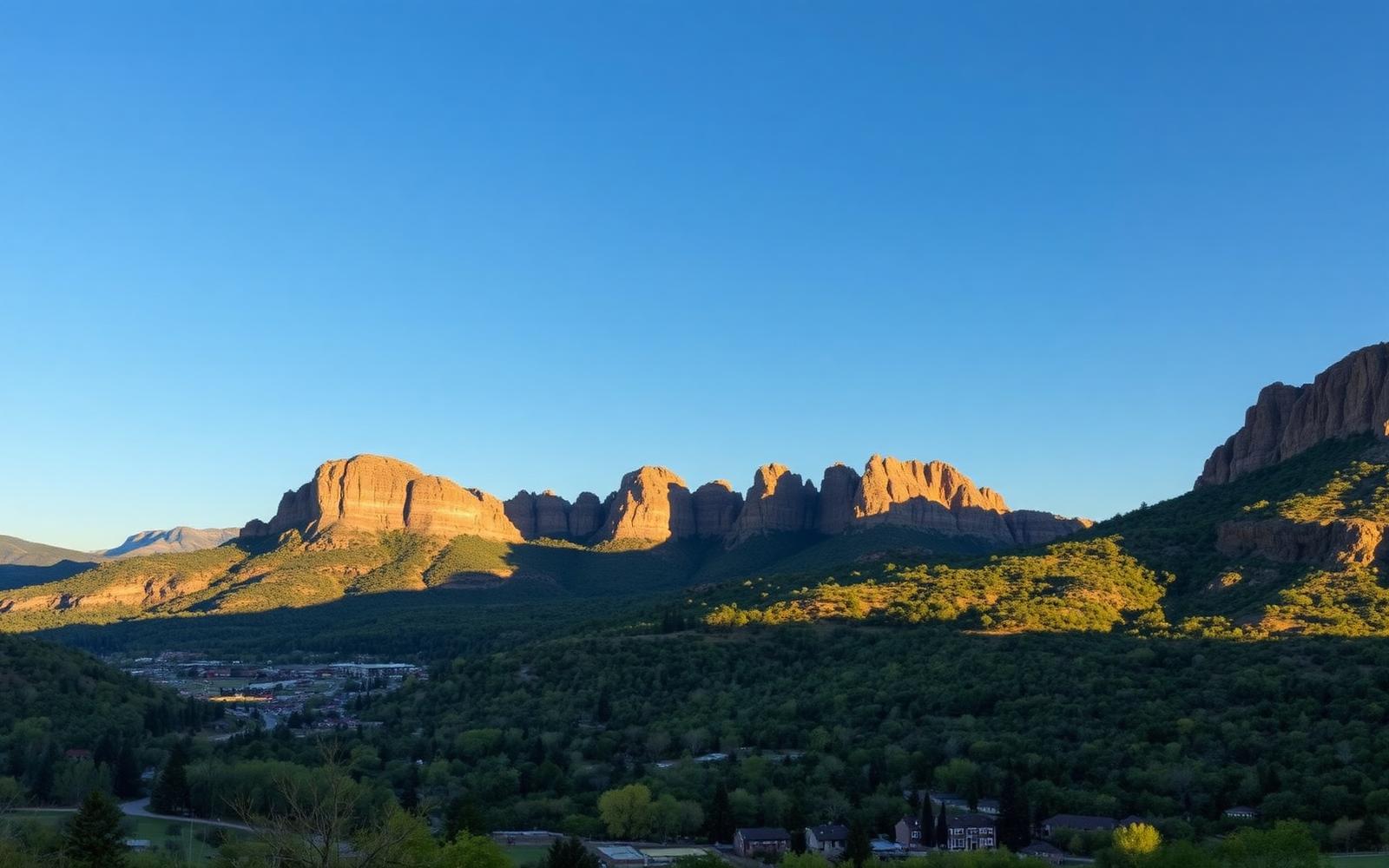
What it feels like to live in Boulder
Boulder is its own thing — a progressive college town with a wellness-and-outdoors culture and a tech and biotech economy that keeps professional demand high.
Downtown and the Pearl Street Mall are the walkable center, with Chautauqua sitting right against the Flatirons trailheads.
North Boulder has absorbed much of the newer development, while Table Mesa and Gunbarrel offer the more conventional residential options.
The city's growth boundary deliberately limits sprawl, which protects the setting and permanently constrains housing supply.
Food & Beverage Scene
Frasca Food and Wine and The Kitchen are the two destination restaurants people plan trips around.
Coffee culture centers on Ozo Coffee and Boxcar Coffee Roasters.
Pearl Street's density of restaurants and bars means most of the dining scene is walkable from downtown addresses.
Schools & Education
Boulder Valley School District serves the city and is one of Colorado's most highly regarded districts.
CU Boulder shapes the town's demographics and drives a large share of the rental market.
The education-heavy population is reflected in school funding, programs, and competition for the strongest boundaries.
Boulder Housing Market
Inventory stays constrained by the city's growth boundary — there is no meaningful outward expansion valve.
Housing stock mixes early-1900s bungalows near downtown with 1970s-through-2000s homes farther out.
Price bands run from around $500K for condos to $2M and above for homes near the Flatirons.
Pros & Cons
- Direct access to Flatirons hiking and open space
- Vibrant Pearl Street and cultural scene
- Strong tech and biotech job base
- Extensive bike path network
- Among the highest prices in the Denver metro
- Growth restrictions limit new supply
- US-36 congestion during commute hours
Frequently Asked Questions
Why is Boulder so expensive?
The city's growth boundary caps outward development while demand from CU, the tech and biotech sector, and the outdoor lifestyle keeps climbing. Constrained supply against persistent demand is the whole story.
Is Boulder a good commute to Denver?
Roughly 30 to 40 minutes on US-36 outside peak hours, longer during rush. The Flatiron Flyer bus is a genuinely viable alternative for downtown Denver commuters.
What can I buy in Boulder under $700K?
Mostly condos and townhomes, plus some smaller homes in Gunbarrel and the outer neighborhoods. Single-family near downtown or the Flatirons generally starts well above that.
Is Boulder good for outdoor recreation?
It's among the best in the country for it. Chautauqua Park and the Flatirons trails start at the edge of town, and the Boulder Creek Path runs straight through downtown.
Want a deeper breakdown of Boulder real estate or unlisted properties? Connect with Alex Huber.
I'll send current Boulder comps, off-market opportunities, and a straight answer on what your timeline realistically buys.