
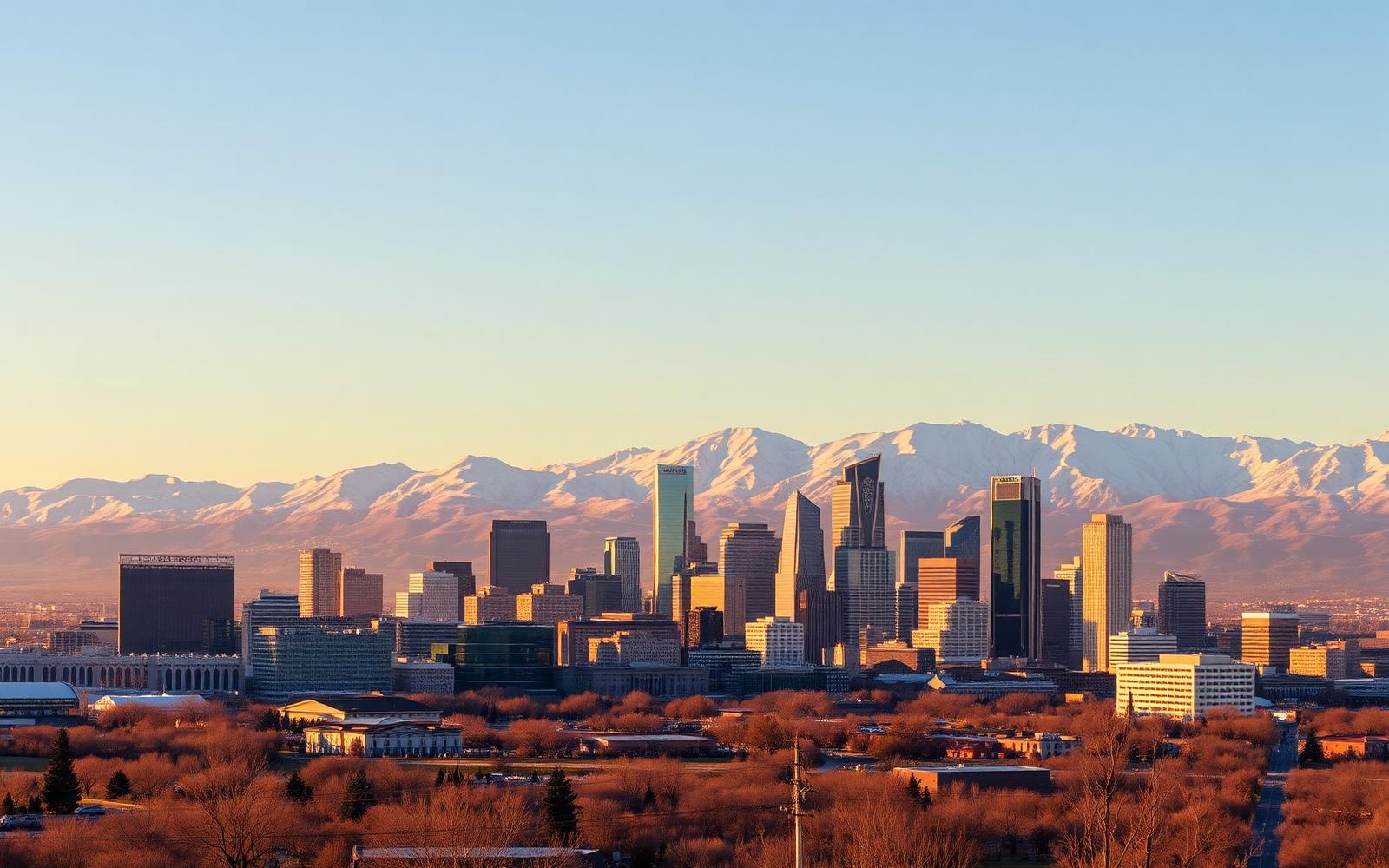
What it feels like to live in Denver
Denver is the anchor of the Front Range — a genuinely urban city with a diverse economy, a serious dining and brewery scene, and the mountains close enough that a Saturday trailhead is never a production.
LoHi and Highland deliver the walkable, restaurant-dense version of the city, while Washington Park and Park Hill are the leafy, family-oriented east-side classics with early-1900s brick homes.
Sloan's Lake has become the swing neighborhood — older stock giving way to duplexes and modern infill, with lake and skyline views that keep demand steady.
RTD light rail and bus service actually work in the core neighborhoods, which is unusual for a western city and matters if you want a one-car household.
Food & Beverage Scene
Upscale dining runs deep — Safta for modern Israeli and Tavernetta for Italian are the two names that come up most from clients relocating in.
Coffee is a local institution rather than a chain story, with Huckleberry Roasters and Corvus Coffee leading a large independent roasting scene.
The brewery culture that made Denver famous is still everywhere, now joined by distilleries and a fast-growing food-hall format.
Schools & Education
Denver Public Schools serves the city, with quality varying widely by neighborhood and a robust choice-enrollment system that lets families apply outside their boundary.
The Washington Park and Cherry Creek border areas tend to out-rank citywide DPS averages, which is reflected in pricing.
A large charter and private-school bench gives families options within a short drive of most central neighborhoods.
Denver Housing Market
Inventory rose through 2025, so buyers have meaningfully more leverage than they did in 2021–22 — inspection and concession requests are being accepted again.
Housing stock spans early-1900s brick bungalows to brand-new condo and townhome product, so condition varies dramatically block to block.
Price bands run from roughly $350K for condos to well over $1M for single-family in premium neighborhoods.
Pros & Cons
- Central to both the mountains and Denver International
- Strong, diverse job market
- Deep dining, brewery, and arts scene
- Workable public transit in core neighborhoods
- Property crime is higher in some urban pockets
- I-25 and I-70 congestion at peak hours
- Older housing stock often carries deferred maintenance
Frequently Asked Questions
Is now a good time to buy in Denver?
Inventory has climbed since the pandemic-era lows, which has shifted negotiating power toward buyers. Well-priced homes still move, but you can generally inspect, negotiate, and ask for concessions in a way that was impossible in 2021.
Which Denver neighborhoods are best for families?
Washington Park and Park Hill are the perennial answers — established, walkable, and near strong schools. Sloan's Lake works if you want newer construction with quick access to downtown.
How far is Denver from skiing?
The I-70 resorts run roughly 70 to 100 minutes without traffic, though weekend and powder-day congestion can add substantially to that. Many locals leave before 6am or ski midweek.
Do I need a car in Denver?
Not necessarily in the core. RTD light rail and bus coverage is solid downtown and along the main corridors, but most households outside the center keep at least one vehicle.
Want a deeper breakdown of Denver real estate or unlisted properties? Connect with Alex Huber.
I'll send current Denver comps, off-market opportunities, and a straight answer on what your timeline realistically buys.